An axe is not just a single universal tool — its shape, weight, and handle length differ depending on what you will do with it. One axe is suited to splitting logs at the cabin, another to chopping branches in the forest, and yet another to fine woodwork during bushcraft. Before you decide, clarify how often and for what tasks you will use the axe — the right tool saves you effort, protects your back and hands, and lasts for many years.
How to choose an axe by purpose
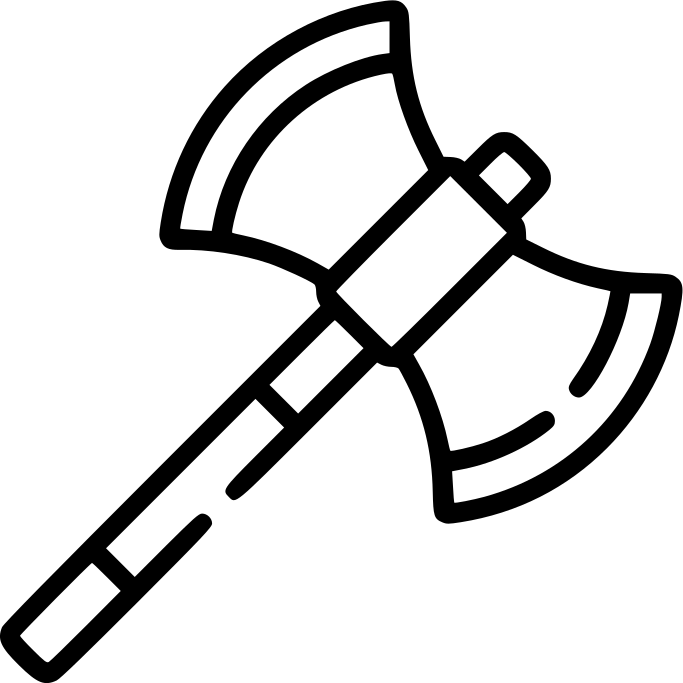
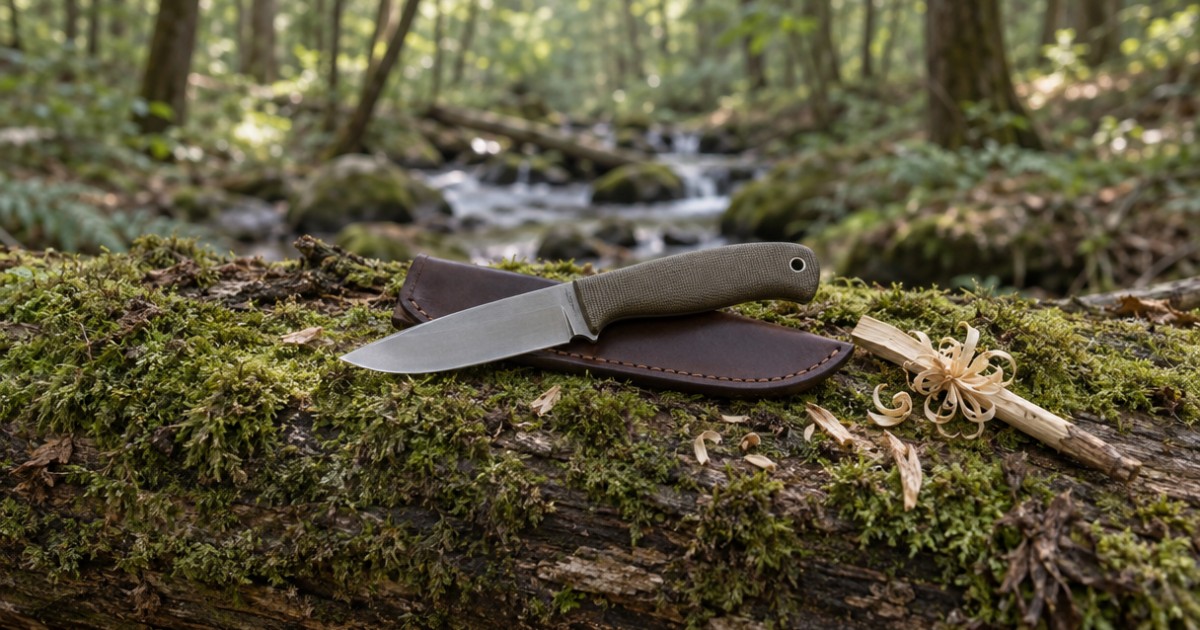
For splitting wood along the grain, a splitting axe with a heavier, wedge-shaped head and a longer handle (usually 60–90 cm) is the tool of choice. The wedge does not cut through the log but forces it apart along the grain with its own weight and shape — the heavier the head and the longer the lever, the fewer strikes you need. For cutting across the grain, that is, trimming branches, felling thinner trees, or preparing firewood, a versatile axe with a thinner, sharper blade that cleanly severs the fibres is suitable. For camping and hiking, choose a lighter hatchet (30–45 cm) with a shorter handle, with which you can prepare kindling and smaller wood and which will not weigh down your backpack. For bushcraft and everyday carry (EDC), smaller, easily controllable, possibly folding and multifunctional models with a sheath are ideal, as they handle precise work as well as small camp tasks.
Blade material, handle, and maintenance
The blade should be made of quality carbon or tool steel, which holds an edge well, sharpens easily, and withstands repeated strikes; it does, however, require protection from moisture so that it does not rust — after use, wipe it and occasionally treat it with a thin layer of oil. The handle fundamentally affects how the work feels. Wooden handles (most often hickory or ash) dampen shocks well and can be replaced, but they cannot withstand permanent moisture. Fibreglass and composite handles are practically indestructible, moisture-resistant, and lighter. All-steel axes with a full-tang handle are the most resistant to being cut through and withstand rougher handling, but they transmit more vibration to the hand. A firm and secure connection between the head and the handle is important — a loose head is dangerous.
What to watch out for regarding safety
The axe is a tool that does not forgive carelessness. Before working, secure a firm, stable stance and clear space around you, free of people. Split the log on a stable base, for example on a thick stump — never directly on the ground or “on your foot”. Chop away from your body and make sure your other hand or foot is not in the path of the strike. Keep the blade sharpened — a sharp axe is paradoxically safer because it slips less. Before each use, check that the head sits firmly on the handle and that the handle is not cracked. When carrying, use the supplied sheath, and store the axe in a dry place out of the reach of children so that it stays in good condition for many years.