Kitchen cleavers
103 Products
Imagine the moment when you finally find kitchen cleavers that perfectly match your style and needs. Our selection offers a wide range of cleavers designed to handle even the most demanding kitchen tasks—from cutting meat to chopping vegetables. Whether you prefer classic shapes or modern designs, each piece combines functionality with durability. Choose the right one and enjoy every cut.
KA-18428 Kitchen cleaver - Brown/Pattern
CA-33027 kitchen cleaver - Brown
HARAHU MA-30241 kitchen cleaver - Brown
OK-18423 Kitchen cleaver - Brown/With case
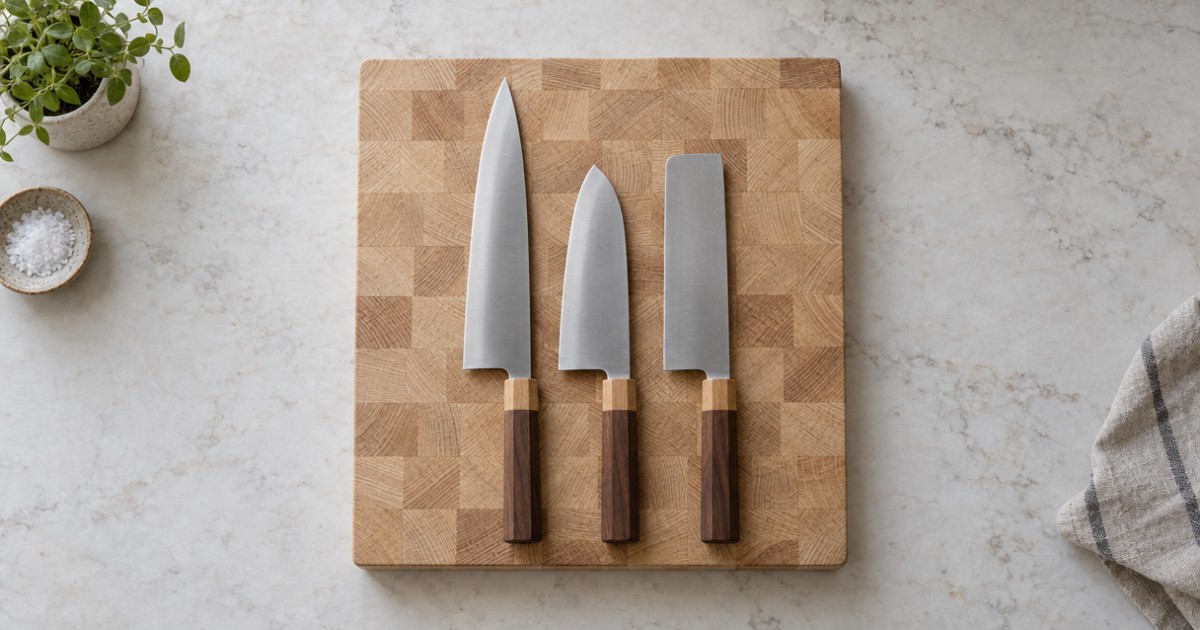
MS-39199 Kitchen Knife Set - 3pcs / Brown
LA-21767 kitchen cleaver - Brown/Type2
EM-33030 kitchen cleaver - Brown
SE-13863 Kitchen cleaver - Brown
AL-33005 kitchen cleaver - Brown/Type1
Kitchen cleaver KA-27625 - Brown/Silver
Kitchen cleaver MA-39198 - Cleaver / Brown
HARAHU NA-30238 Kitchen Knife - Black
HARAHU YA-30240 Kitchen Knife - Brown
GR-18572 Kitchen cleaver - Brown
Damascus kitchen cleaver HARAHU RO-29018 - Brown
Damascus kitchen cleaver HARAHU TO-26687 - Brown
Kitchen cleaver NI-27620 - Brown
EF-33031 kitchen cleaver - Brown
TO-18610 Kitchen cleaver - Brown
DO-33008 Kitchen cleaver - Brown/Type2
Kitchen Knife SU-39319 - Nakiri / Brown
SA-13962 Kitchen cleaver - Brown
Damascus Kitchen Knife HARAHU KO-29017 - Brown
TO-27627 kitchen cleaver - Brown
BE-33028 Kitchen Cleaver - Brown
Kitchen chopper DR-13861 - Brown
Damascus Kitchen Knife HARAHU HI-26690 - Black
Kitchen Chef's Knife ST-39072 - Silver
Kitchen chopper KU-41587 - Brown
IK-19961 Kitchen cleaver - Brown/With case
SM-27623 kitchen cleaver - Brown
CA-33029 kitchen cleaver - Brown
Kitchen Cleaver HARAHU NA-26711 - Black
Damascus Kitchen Knife HARAHU SA-29015 - Black
Kitchen Knife HARAHU MA-29014 - Black
KE-37349 Damascus Kitchen Knife - Cleaver / Brown
Damascus Kitchen Knife SH-39330 - Cleaver / Blue
Kitchen cleaver NI-27711 - Brown
Kitchen Knife BL-39314 - Nakiri / Purple
Kitchen Cleaver SA - 18578 - Black
YU-37491 Damascus Kitchen Knife - Nakiri / Brown
Damascus Kitchen Knife KT-38752 - Nakiri / Orange / Black
IC-25830 Kitchen Cleaver - Brown / Type1
KA-18566 Kitchen cleaver - Brown
HO-21771 Damascus Kitchen Knife - Small Cleaver
KU-20013 Damascus Kitchen Knife - Cleaver/Red/30,5cm
Damascus Kitchen Knife TS-37454 - Cleaver / Black
ČI-13979 Kitchen cleaver - Brown
TO-14009 Kitchen cleaver - Brown
MA-13963 Kitchen cleaver - Brown
Damascus Kitchen Knife - Small Cleaver/Black
NA-13965 Kitchen cleaver - Brown
MO-27648 Kitchen Cleaver - Brown
Damascus Kitchen Knife HA-38019 - Cleaver / Black
ČI-27657 Kitchen Cleaver - Black
KI-19949 Kitchen cleaver - Brown/With case
NA-26833 Kitchen Knife - Brown/Type4
Kitchen cleaver Knife SE-35045 - Brown
LU-35046 Kitchen Cleaver - Brown
Showing 60 of 103 products
Buying advice
Kitchen cleavers
Kitchen cleavers are among the essential tools for any household that values high-quality food preparation. They are indispensable when preparing meat, fish, vegetables, or fruit. Our range includes models made from various materials and with different blade shapes, so you can choose exactly according to your culinary habits. Whether you are preparing delicate carpaccio or thicker pieces of meat for the grill, the right cleaver will save you time and effort.
How to Choose the Right Kitchen Cleaver
When selecting a kitchen cleaver, it is important to focus on several key factors. The first is the blade material—stainless steel offers corrosion resistance, while Damascus steel excels in sharpness and aesthetic appearance. The second factor is the weight and balance of the cleaver, which affect comfort during prolonged use. For example, a light cleaver weighing around 200 grams is suitable for fine chopping of herbs, while a heavier model weighing 400 grams can handle bones and hard vegetables like pumpkin. The third aspect is blade length—shorter blades (15–18 cm) are ideal for precision work, while longer ones (20–25 cm) are better for efficiently chopping larger pieces.
Blade Types and Their Uses
A straight blade is ideal for precise cutting, while a curved blade facilitates chopping and cutting meat. Some models have special grinds that reduce friction and prevent ingredients from sticking—this is especially appreciated when cutting soft cheese or fresh bread. Our range includes cleavers suitable for fine cutting as well as for coarser chopping. For example, a cleaver with a Damascus steel blade is great for preparing sushi because its sharp edges do not damage the delicate structures of fish. Conversely, a cleaver with a wide stainless steel blade is ideal for chopping nuts and hard fruits.
Quality and Materials
High-quality kitchen cleavers are made from high-carbon stainless steel, which ensures long life and resistance to wear. Handles are often made of wood, plastic, or rubber—each material has its advantages. Wooden handles look elegant and feel pleasant to the touch, but require regular oiling. Rubber handles provide a better grip even with greasy hands and are resistant to moisture. Plastic handles are lightweight and low-maintenance, suitable for busy kitchens. When choosing, also consider the edge type—a smooth edge is versatile, while a serrated edge cuts harder ingredients better, such as bread or pineapple.
Maintenance and Care
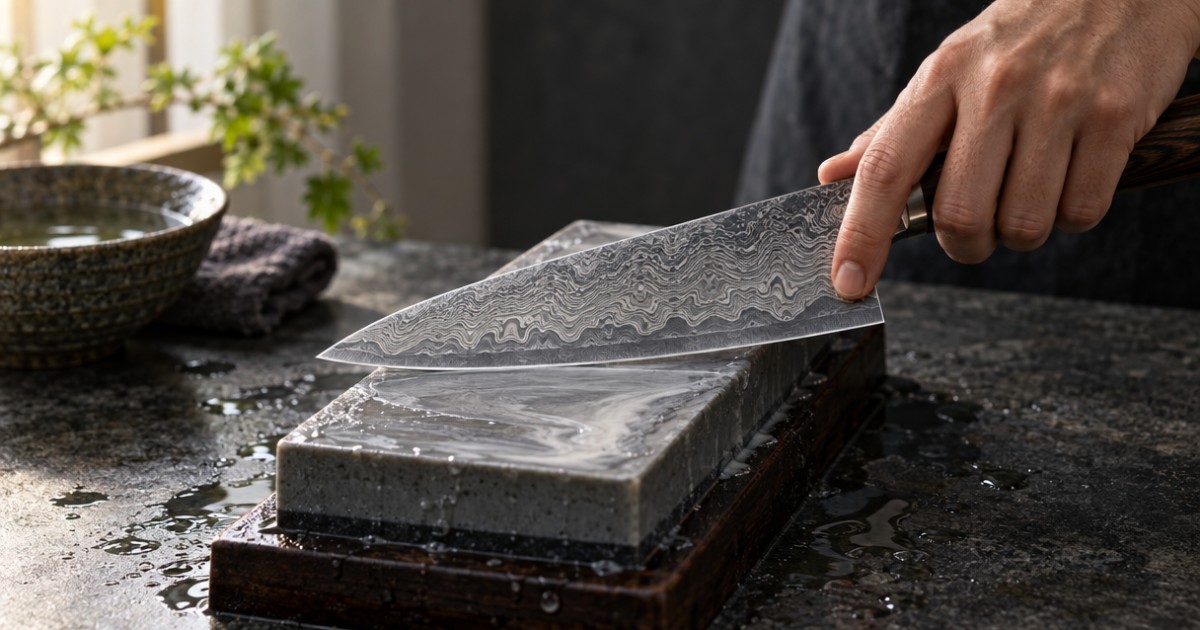
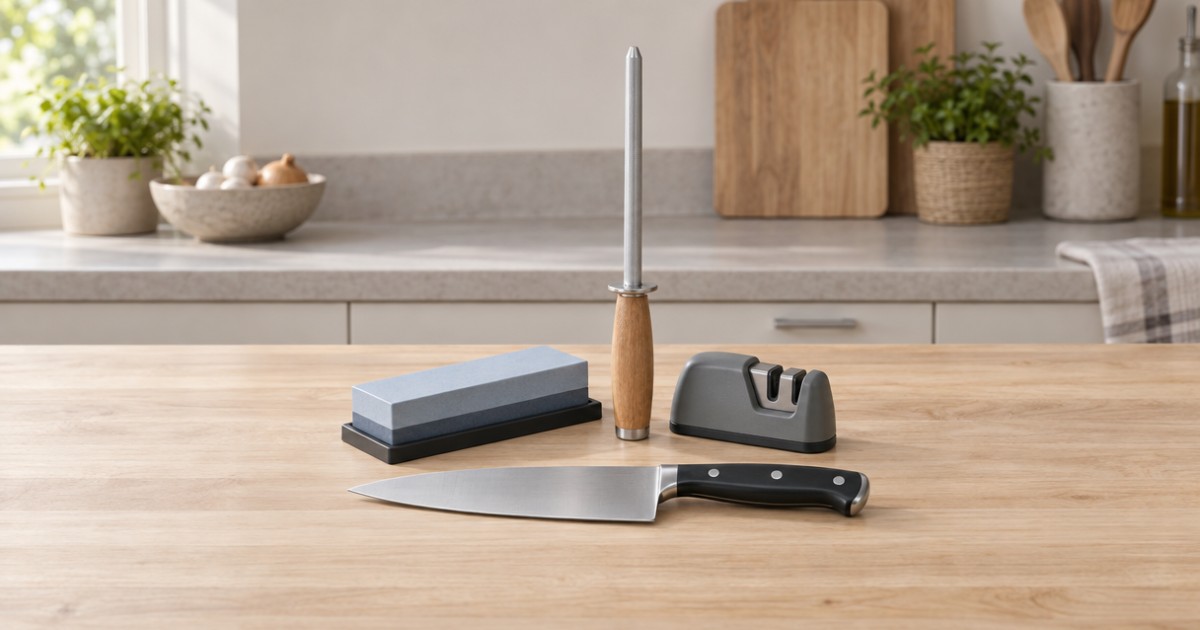
To ensure your cleaver lasts as long as possible, we recommend washing it by hand in warm water after each use and drying it thoroughly. Regular sharpening on a fine steel rod or stone will keep the edge in perfect condition—ideally every 2–3 weeks with normal use. Avoid washing in the dishwasher, which can damage both the blade and handle. If you use a wooden handle, oil it with food-grade oil once a month to prevent it from drying out. Store the cleaver on a magnetic strip or in a wooden block to avoid contact with other metal tools that could dull the edge.
Who Are Kitchen Cleavers Suitable For
Kitchen cleavers are appreciated by professional chefs and home cooking enthusiasts alike. They are suitable for those who regularly prepare meat, fish, or vegetables and need a reliable tool for quick and precise cutting. Thanks to various sizes and shapes, everyone can find one—from light cleavers for everyday cutting to heavier models for chopping bones. For example, a cleaver with a carbon steel blade is popular among grilling enthusiasts because it can handle meat with bones. For vegetarians, lighter models with a narrow blade for precise vegetable cutting are suitable. Explore our range and choose your piece that will make your daily cooking easier and bring joy to meal preparation.
Category information
Important safety notice for kitchen cleavers in accordance with Regulation (EU) 2023/988 on general product safety (GPSR)
This is a targeted safety notice for the proper and safe use of kitchen cleavers. Due to their weight, blade size, and specific intended use, it is essential to follow the instructions below to prevent serious injuries. This notice is issued based on the requirements of the Regulation of the European Parliament and of the Council (EU) 2023/988 on general product safety (hereinafter referred to as "GPSR").
Basic safety and handling principles
- Respect the weight and blade: The cleaver is a heavy tool with an extremely sharp blade designed for chopping. Always handle it with maximum concentration and caution.
- Holding the cleaver: Grip the handle firmly but without unnecessary tension. Ensure that both your hand and the handle are dry and free of grease to prevent slipping.
- Keep out of reach of children: The cleaver is by no means a toy. Due to its characteristics, it poses an extreme risk. Always store it in a locked or child-inaccessible place.
- Never catch a falling cleaver: If the cleaver falls, immediately step back and let it fall to the ground. Due to its weight and blade, attempting to catch it is extremely dangerous.
Proper and safe use
- Use as intended: Use the cleaver exclusively for its intended purposes – typically for chopping meat (including small bones) or hard vegetables. Always follow the specific product description, whether it is a meat cleaver or a lighter vegetable cleaver.
- Improper use: Never use the cleaver for prying, chopping frozen foods, metal, wood (except a cutting board), or as a substitute for a hammer or axe. Such use may cause damage (chipping) to the blade and serious injury.
- Stable and solid cutting surface: Always use a thick, stable, and sufficiently large cutting board, ideally made of wood or durable plastic. Do not use glass, stone, or metal surfaces that can damage the blade and cause dangerous cleaver rebound.
- Safe chopping technique:
- Make sure you have enough free space around you.
- When chopping, keep the fingers of the other hand holding the ingredient safely curled inward (the "claw" or "shrimp" technique).
- Guide the movement in a controlled way from the shoulder and elbow, not just the wrist.
- Never place your free hand or any other body part in the chopping path.
Cleaning, maintenance, and storage
- Hand washing: Always wash the cleaver by hand carefully in warm soapy water. Hold the blade away from your body. Immediately dry it thoroughly after washing to prevent rust.
- Avoid dishwashers: Aggressive chemicals and high temperatures in dishwashers can permanently damage the blade and handle material.
- Blade maintenance: A sharp cleaver is safer. Regularly sharpen it using a suitable sharpening tool. A dull cleaver requires more force, increasing the risk of slipping and loss of control.
- Safe storage: Store the cleaver in a solid wooden block, on a strong magnetic strip designed for heavy knives, or in a drawer with a protective blade cover. Never leave it lying freely on the kitchen counter.
- Disposal: Before disposal, securely wrap a worn or damaged cleaver in thick cardboard and tape it to prevent injury to waste handlers.